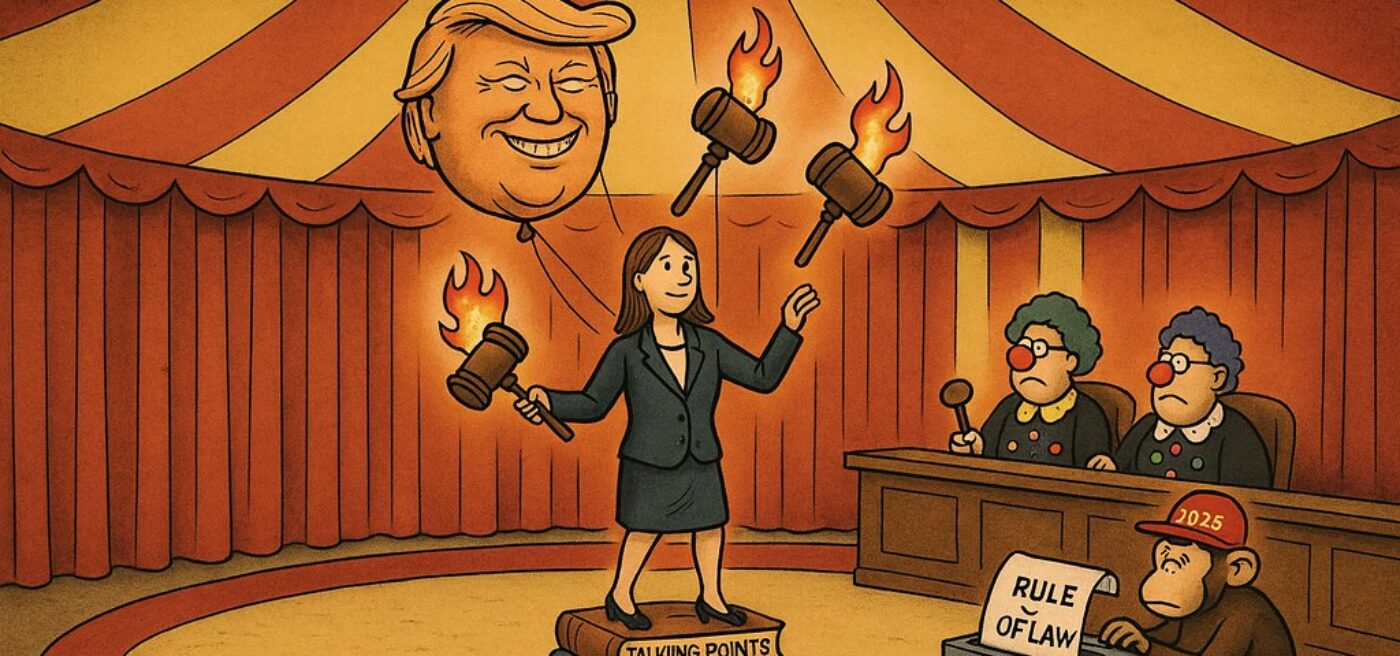
The U.S. Justice Department sued California, asking a judge to set aside roughly 20,000 mail‑in ballots from voters it believes are likely non‑citizens until their citizenshipLegal status as a U.S. national can be confirmed.
What happened
On Thursday, the Department of Justice filed a civil complaint in U.S. District Court in Los Angeles. The suit seeks an order that California stop counting mail‑in ballots from “likely non‑citizens” in the upcoming federal electionA nationwide election for President, Senate or House until each voter’s status is verified.
The DOJ says the list contains about 20,000 individuals it believes received ballots but may not be U.S. citizens. It gave the state 48 hours to tell local officials to segregate those ballots.
California Governor Gavin Newsom called the move “dangerous nonsense” and said the state will ensure every voter can participate. Secretary of State Shirley Weber disputed the DOJ’s claims, noting a prior allegation of 190,000 non‑citizens on voter rolls that lacked evidence.
The lawsuit follows earlier DOJ actions targeting state election administration, a theme often highlighted by former President Donald Trump.
Why it’s important
Election‑related lawsuits can create political uncertainty, which investors watch closely because policy shifts affect market sentiment. A court order that blocks thousands of ballots could spark nationwide legal battles and heighten partisan tensions.
If the case escalates, it may draw attention to companies that provide voter‑registration data, election‑technology services, and security contracts tied to federal elections.
Additionally, the dispute underscores broader debates over voting‑rights legislation, which can influence regulatory environments for financial services and technology firms operating in multiple states.
The DOJ asked a judge to set aside about 20,000 mail‑in ballots from likely non‑citizens in California.
What could change
If a judge grants the DOJ’s request, California would have to pause counting the identified ballots, potentially delaying results and prompting appeals in other states. If the court denies the request, the DOJ may seek emergency relief or file additional suits, extending the legal fight into the election cycle.
Either outcome could lead to new federal guidance on ballot verification, affecting how states manage voter rolls and election logistics in future cycles.
A court order to discard the ballots could trigger nationwide legal battles and increase political uncertainty ahead of the election.
What does this mean for investors?
Retail investors should monitor sectors tied to election infrastructure, such as companies that supply voting machines, data‑verification services, and cybersecurity for elections. Heightened litigation may boost demand for firms with strong compliance and data‑security capabilities.
Conversely, prolonged uncertainty could weigh on broader market sentiment, especially for indices sensitive to political risk.
Disclaimer: This post was created with the support of artificial intelligence and reviewed by our editorial team. It is provided for educational purposes only and does not constitute financial advice.