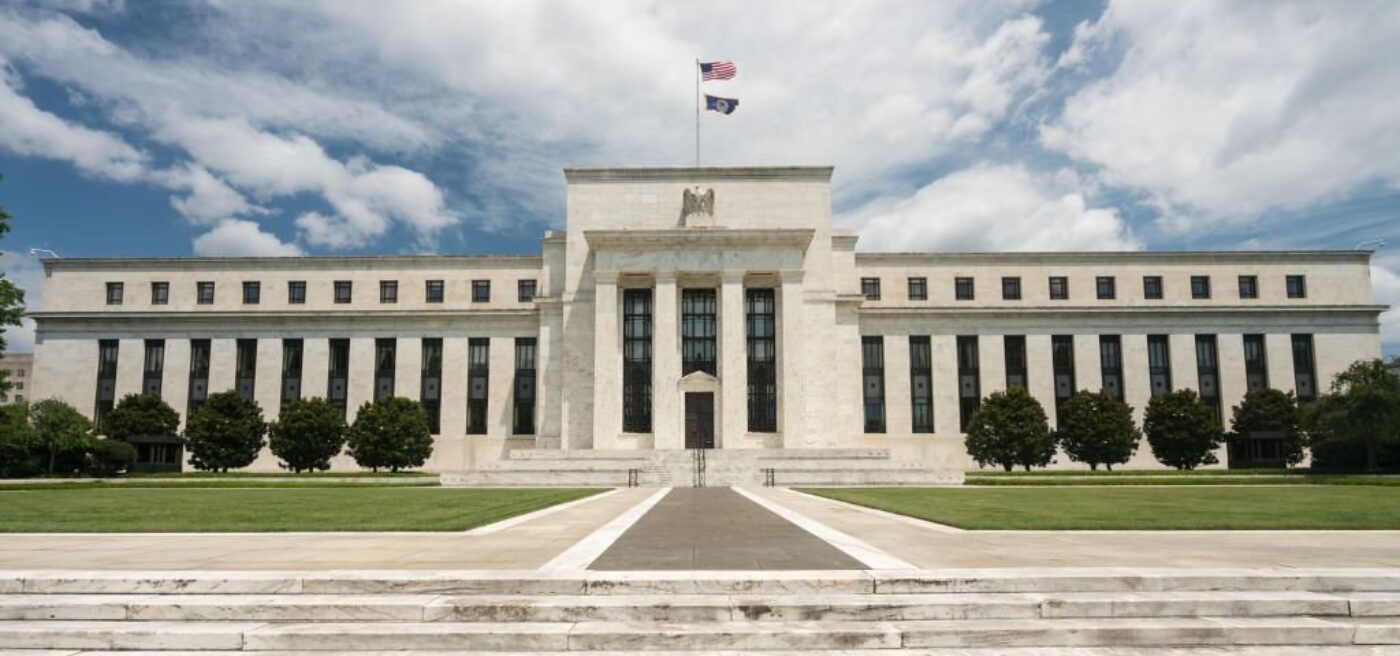
The Federal Reserve released its June 2026 policy statement, highlighting a pause in rate hikes and showing new language added and old language removed compared with the September 2026 statement. Two members voted against the pause, underscoring internal disagreement.
What happened
The Fed’s
During the same meeting, two members dissented, indicating they preferred a different stance on the pace of tightening. No specific numbers or new policy rates are quoted in the source.
Why it’s important
A pause in
The presence of dissenters suggests that not all policymakers agree on the current stance, which could lead to a shift back to tightening if inflation pressures persist. This uncertainty can increase volatility in bond yields and equity markets.
The new statement marks text added in red and underlined, while removed text appears in red with a line through it.
What could change
If the dissenting members gain influence, the Fed could resume raising rates sooner than expected. Conversely, if inflation eases, the pause could extend, keeping rates steady for an extended period.
Two Fed members dissented, indicating possible future policy shifts that could surprise markets.
What does this mean for investors?
Retail investors may see bond yields stabilize or even fall if the pause holds, making existing bond funds more attractive. Stock sectors sensitive to borrowing costs, such as real estate and consumer durables, could benefit from lower financing rates. However, continued disagreement among policymakers could spur short‑term volatility.
Disclaimer: This post was created with the support of artificial intelligence and reviewed by our editorial team. It is provided for educational purposes only and does not constitute financial advice.