President Trump told reporters the United States sees a growing willingness to end Russia’s war in Ukraine, just as U.S.‑brokered peace talks begin in Abu Dhabi. The talks involve senior officials from the U.S., Russia and Ukraine, and hackers have released data showing nearly 394,000 war‑related deaths in Russia since 2022.
What happened
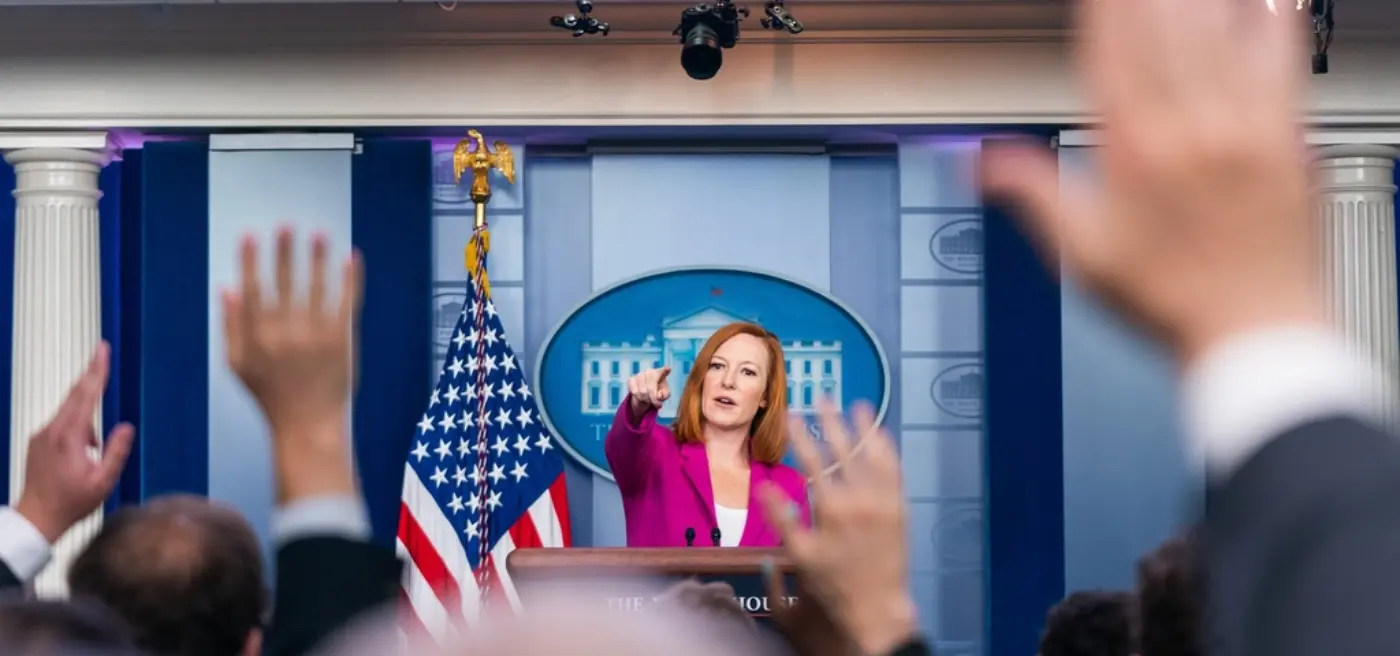
On Monday, Nov 9 2026, President Donald Trump said Washington sees a “very strong inclination to end Russia and Ukraine.” He made the remarks at a White House press briefing while noting that both sides are battle‑weary after more than four and a half years of fighting.
U.S., Russian and Ukrainian officials are set to meet for two days of trilateral negotiationstalks that involve three parties in Abu Dhabi later Tuesday, the first such talks since the invasion began. U.S. envoys Steve Witkoff and Jared Kushner will lead the mediation, and Secretary of State Marco Rubio said progress on a possible postwar security guaranteespromises to protect a country after a conflict ends for Ukraine is being discussed.
Ukrainian President Volodymyr Zelenskyy said recent battlefield gains were strengthening Kyiv’s negotiating position and urged Washington to push Russia toward a cease‑fire. Meanwhile, a hacker group called Belarusian Cyber Partisans claimed to have leaked Russian state statistics showing 393,881 deaths linked to the war between 2022 and August 2026. The Center for Strategic and International Studies estimated 400,000‑450,000 Russian military deaths through June 2026, and the Moscow Times reported a similar figure of roughly 450,000.
Why it’s important
Any movement toward a cease‑fire could reduce demand for defense equipment, affecting companies in the defense sector and related ETFs. Conversely, a stalemate or escalation would keep defense spending high, supporting those same stocks.
The conflict also influences energy markets. A peace settlement could stabilize European natural‑gas supplies that have been disrupted by sanctions on Russian energy, potentially easing price volatility. Investors should watch how the talks shape expectations for future sanctions or reconstruction spending.
Hackers say nearly 394,000 war‑related deaths were recorded in Russian statistics between 2022 and August 2026.
What could change
If the Abu Dhabi talks produce a cease‑fire agreement, we could see a rapid de‑escalation, lower defense procurement budgets, and a rebound in European energy markets. If the negotiations stall or break down, the conflict may intensify, keeping defense spending elevated and maintaining pressure on energy supplies.
A failure of the talks could trigger a surge in defense spending and heightened energy price volatility.
What does this mean for investors?
Retail investors may want to adjust exposure to defense ETFs such as ITA or XAR, which could be pressured if a cease‑fire reduces procurement. Energy‑focused funds like VDE may benefit from any easing of sanctions or a return to more stable gas flows to Europe. Additionally, sovereign‑bond markets of countries heavily dependent on Russian trade could see price swings based on the outcome of the talks.
Disclaimer: This post was created with the support of artificial intelligence and reviewed by our editorial team. It is provided for educational purposes only and does not constitute financial advice.