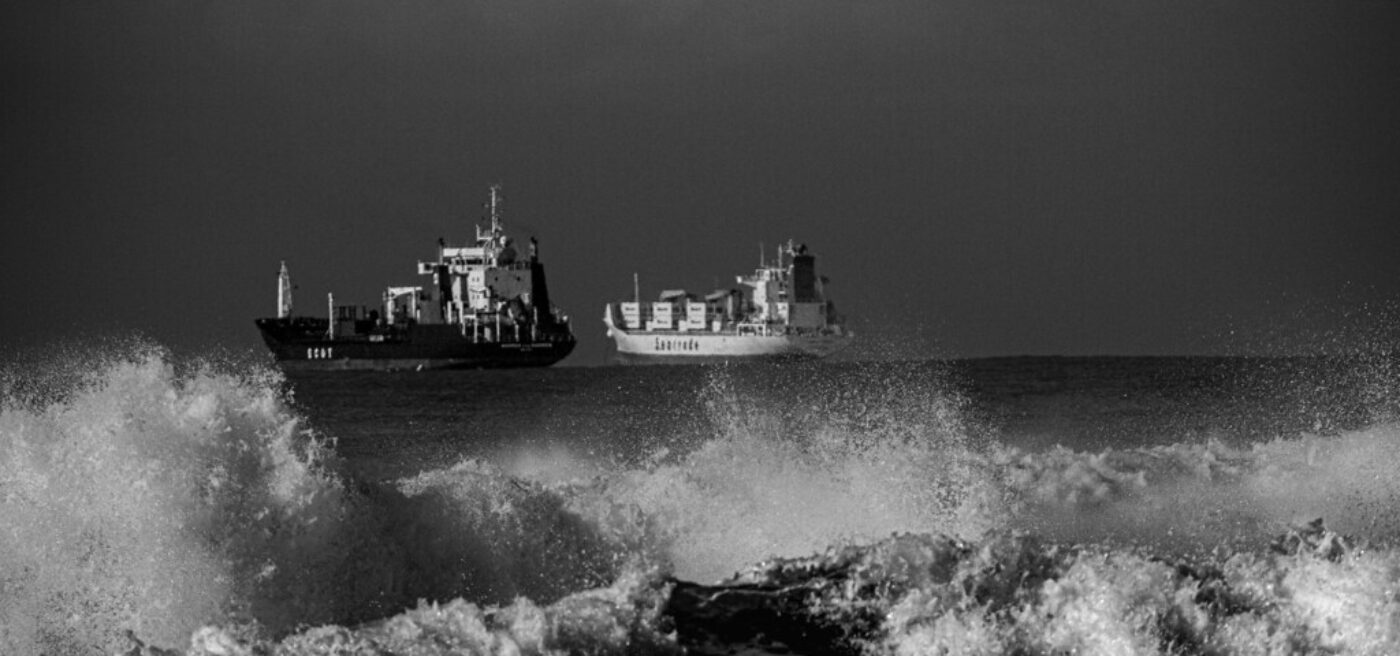
President Donald Trump stated that the U.S. carried out minor military strikes on Iran following reports that missiles struck Qeshm Island. The area borders the Strait of Hormuz, an essential transit route for global oil and gas shipments. While military tensions persist, both American and Iranian officials have signaled conditions under which future negotiations might take place.
What happened
President Donald Trump announced on Friday that the U.S. conducted “minor strikes” against Iranian targets. His comments followed reports from Iranian news agency Tasnim that two missiles hit Qeshm Island off Iran’s southern coast. Tasnim noted that no official information on damage was immediately available.
Speaking to reporters in West Palm Beach, Florida, Trump stated that the U.S. eliminated an anti-aircraft installation quickly, though he did not explicitly confirm whether his statement referred to the incidents on Qeshm Island. The U.S. had previously struck the same island on Monday in what a U.S. official described as a “defensive measure.”
The strikes mark the first military action since Tuesday’s midterm elections. Following the vote, regional officials and analysts had debated whether U.S. policy would tilt toward further conflict or a return to diplomatic discussions.
Why it’s important
Qeshm Island is located directly adjacent to the Strait of Hormuz, a critical maritime channel for international oil and natural gas shipments. Because of its strategic location, any military conflict in this waterway threatens the steady transit of energy supplies to world markets.
The geopolitical tension unfolds against a backdrop of severe economic strain within Iran. Trump claimed that Iran faces 300% inflationThe rate at which prices for goods and services rise over time and desires an agreement, though the International Monetary Fund projected in an October report that Iranian consumer prices would rise by an average of 78.6% in 2026. Severe economic pressure often influences a nation’s willingness to engage in diplomatic talks.
The International Monetary Fund forecast that consumer prices in Iran would rise by an average of 78.6% in 2026 in an economic report published on October 13.
What could change
The situation could shift toward diplomacy if both sides agree on terms. Ali Bagheri Kani, deputy secretary of Iran’s Supreme National Security Council, stated that Iran requires practical measures from the U.S. rather than paper commitments before beginning a new phase of talks.
Conversely, further military operations around the Strait of Hormuz could expand the confrontation and risk physical disruptions to commercial shipping routes.
Military conflict near the Strait of Hormuz poses an immediate risk of shipping disruptions across vital global oil and gas routes.
What does this mean for investors?
Energy commodities and related equities are directly exposed to developments in this corridor. Escalating tensions can cause sudden volatilityThe frequency and magnitude of price swings in financial markets in crude oil prices, which influences broad market indexes, transportation stocks, and energy sector funds.
Investors holding diversified portfolios may see energy assets react positively to supply uncertainty, while broader equities could experience pressure if higher fuel prices threaten broader economic stability.
Disclaimer: This post was created with the support of artificial intelligence and reviewed by our editorial team. It is provided for educational purposes only and does not constitute financial advice.