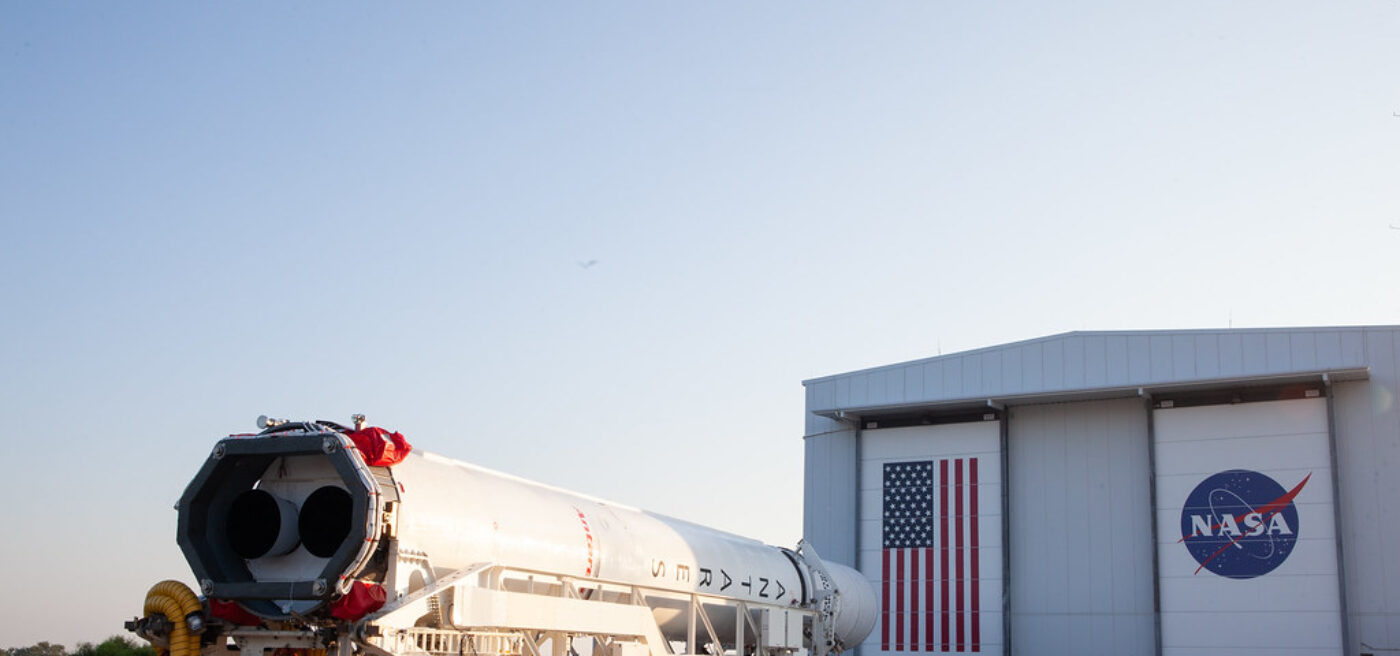
Space investments are expected to surpass $100 billion for the first time in 2026 following SpaceX’s landmark public listing. However, rapid valuation gains and severe rocket supply bottlenecks are raising concerns about industry overvaluation. With launch capacity tightly constrained, heavy reliance on SpaceX poses operational challenges across the sector.
What happened
In early summer 2026, SpaceX completed an IPOAn Initial Public Offering is when a private company sells its shares to the public on a stock exchange for the first time. centered on defense and space infrastructure, listing at a record price of $135 per share. Following the listing, overall investments in the space economy are now poised to exceed $100 billion this year, according to a report by private capital firm Space Capital.
The influx of money has driven several startups to unicornA privately held startup company valued at over one billion dollars. status with valuations above $1 billion. Meanwhile, the planned retirement of SpaceX’s primary Falcon 9 rocket has spurred capital into alternative launch providers. Competitors such as Stoke Space Technologies and Blue Origin have recorded notable increases in funding and production. Blue Origin, founded by Jeff Bezos, announced it has secured at least $10 billion in external funding over its 26-year history.
A primary catalyst behind the wave of capital is strong demand from the U.S. Department of Defense and sovereign governments seeking independent satellite networks and orbital infrastructure.
Why it’s important
SpaceX’s public debut has created a powerful spillover effect. Investors are reassessing the entire space sector, driving valuations higher across competing launch and infrastructure providers. Chad Anderson, CEO of Space Capital, noted that current market activity significantly exceeds the previous venture high point seen in 2021.
However, analysts warn that some valuations may not reflect sustainable business models. A substantial portion of the broader market remains dependent on SpaceX’s launch services, meaning that disruptions or capacity limits at one company could impact projects across the entire industry.
Starlink missions accounted for approximately 79% of all Falcon 9 rocket launches in 2026, up from 54% in 2020.
What could change
Launch bottlenecks may worsen before alternative systems become widely available. SpaceX has already informed seven space companies that Falcon 9 launch capacity is fully booked through 2028 or 2029, leaving limited options for other satellite operators.
Major competitors continue to rely on SpaceX vehicles to reach orbit. Amazon contracted three Falcon 9 launches for its Project Kuiper constellation, while Eutelsat OneWeb also uses SpaceX rockets. If non-SpaceX launch vehicles do not scale quickly, deployment timelines across commercial and defense networks could face prolonged delays.
Skyrocketing space startup valuations face steep correction risks if companies cannot secure scarce rocket capacity to generate real revenue.
What does this mean for investors?
For everyday investors, the space economy is evolving from a speculative niche into a capital-heavy industry backed by sovereign and defense spending. However, the concentration of launch capabilities in a single provider introduces supply-chain vulnerabilities for aerospace and satellite equities.
Investors assessing companies in the space and satellite sectors must evaluate operational readiness rather than just fundraising headlines. Checking whether a firm has secured actual launch slots through the late 2020s is critical to understanding its near-term commercial viability.
Disclaimer: This post was created with the support of artificial intelligence and reviewed by our editorial team. It is provided for educational purposes only and does not constitute financial advice.