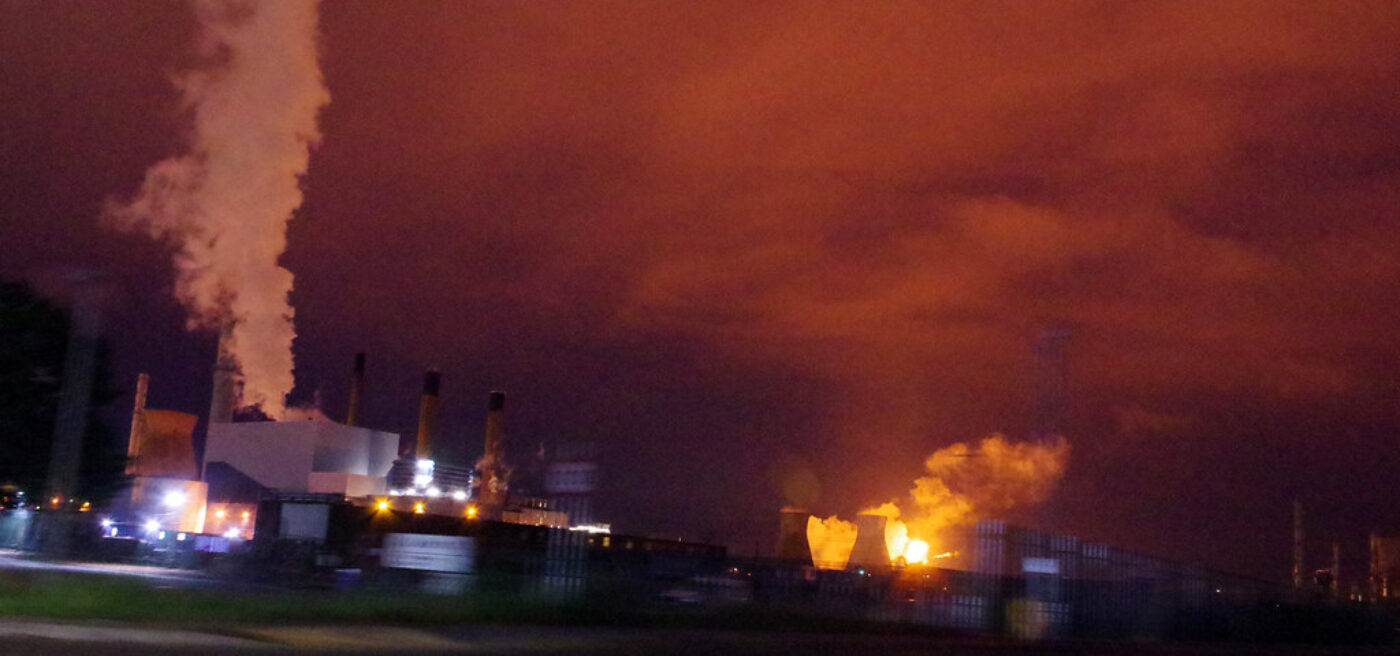
Oil prices rose on Wednesday as Brent hit $106.46 a barrel and WTI $95.30, while the International Energy Agency warned diesel markets could stay tight into 2027 and Saudi Aramco reported an overnight attack on a facility.
What happened
By 6:20 a.m. ET, front‑month futures tied to the global benchmark Brent crude were 0.7% higher at $106.46 a barrel, and U.S. West Texas Intermediate crude futures were up 1.2% at $95.30 a barrel.
The IEA’s October Oil Market Report warned that constraints on diesel markets could continue well into 2027, noting fresh attacks on Saudi Arabia that could derail a supply‑side recovery.
Saudi Arabia’s Ministry of Energy said an administrative building belonging to Saudi Aramco was attacked overnight in Dhahran; no injuries were reported. The strike follows a series of Houthi attacks on Riyadh, including a fatal strike on the city’s international airport.
According to Al Jazeera, a Saudi‑led coalition struck Houthi energy terminals and fuel reserves in Yemen, while U.S. Central Command dismissed Iran’s claim that it controls the Strait of Hormuz, stating American forces and regional partners “clearly control” the waterway.
Hedge fund manager Paul Tudor Jones told CNBC’s “Squawk Box” that oil could rally another $20‑$25 on the Iran conflict, adding that any calming measure would have happened before the U.S. midterm elections.
Why it’s important
Higher Brent and WTI prices signal tighter global supply, which can push up the cost of gasoline, diesel and heating fuel for consumers and businesses. The IEA’s warning about diesel suggests the pressure could last into next year, affecting transportation and logistics costs.
Geopolitical tension between Saudi Arabia, the Iran‑backed Houthis, and Iran itself adds a layer of uncertainty. Markets react quickly to any sign of supply disruption, so even a single attack on a key facility can move prices.
Investor sentiment is also shaped by commentary from prominent traders. Paul Tudor Jones’ bullish view may encourage more buying in oil‑related assets, while the U.S. military’s denial of Iranian control over the Strait of Hormuz reassures some that a major choke point remains open.
Front‑month Brent futures were up 0.7% at $106.46 a barrel at 6:20 a.m. ET on Wednesday.
What could change
If the conflict between Saudi Arabia and the Iran‑backed Houthis escalates further, additional attacks on oil infrastructure could push prices higher and extend diesel shortages into 2027. Conversely, a diplomatic de‑escalation or successful protection of key facilities could ease supply concerns and stabilize prices.
Further attacks on Saudi oil facilities could sharply tighten global supply and drive oil prices up by $20‑$25 per barrel.
What does this mean for investors?
Rising oil prices tend to boost energy‑focused exchange‑traded funds such as USO or XLE, as well as stocks of major oil producers and service companies. At the same time, higher energy costs can pressure inflation‑sensitive sectors like consumer discretionary and transportation.
Investors may also consider diversifying with commodities‑linked bonds or inflation‑protected securities to hedge against the broader price impact of higher energy costs.
Disclaimer: This post was created with the support of artificial intelligence and reviewed by our editorial team. It is provided for educational purposes only and does not constitute financial advice.