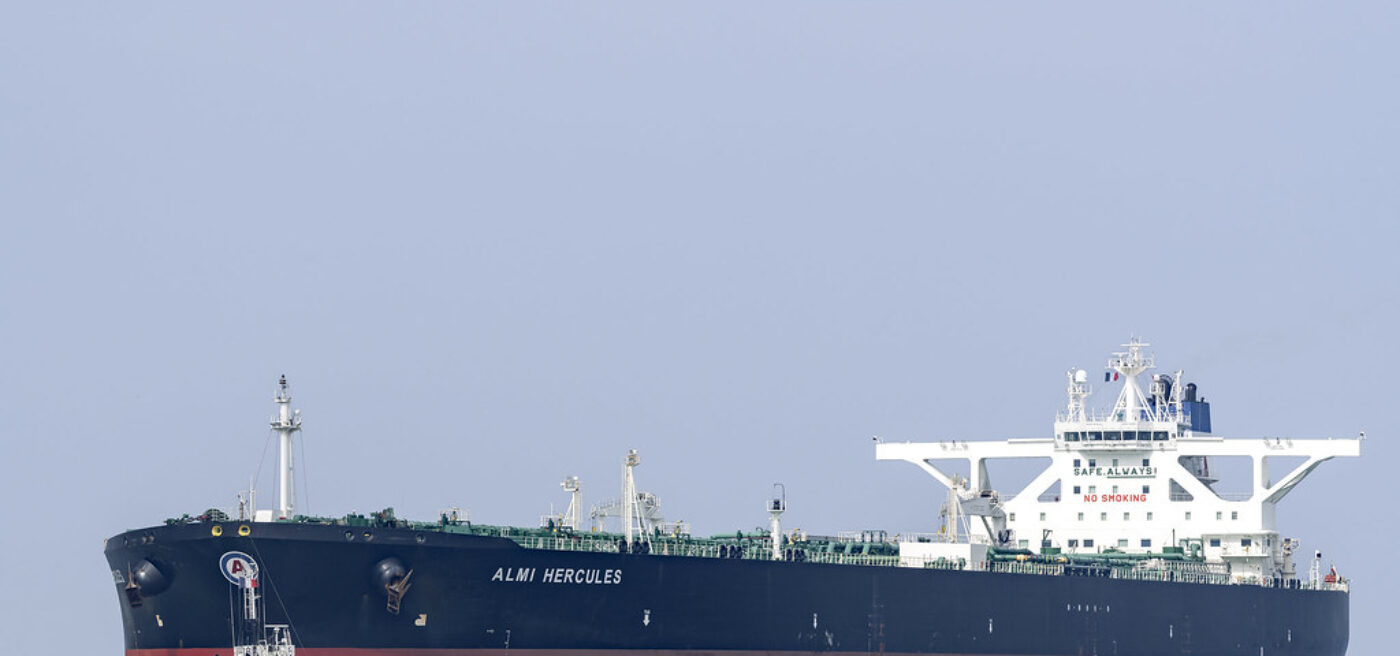
Global oil prices remained near recent highs as renewed military strikes targeted Russian fuel infrastructure and commercial tankers faced attacks in the Middle East. Brent crude stood near $109 per barrel after Ukraine launched drone strikes on an export terminal in St. Petersburg and multiple ships were hit in the Persian Gulf. These dual geopolitical disruptions continue to pressure global energy supplies and keep fuel costs elevated.
What happened
On Sunday, Brent crudeA major global price benchmark for Atlantic basin crude oil. futures shed $1.04 to reach $108.82 per barrel, while U.S. West Texas Intermediate fell 26 cents to trade at $101.15 per barrel. Despite the modest daily decline, prices hovered near recent highs as market participants monitored new supply threats across two critical energy-producing regions.
Fires broke out at an oil terminal and fuel depot in St. Petersburg after Ukraine launched a major drone strike on Sunday, according to St. Petersburg Gov. Alexander Beglov. The affected St. Petersburg terminal typically exports around 120,000 barrels per day of refined products, primarily fuel oil, though the exact extent of the damage remains unclear. Ukraine had temporarily halted attacks on Russian energy infrastructure after President Donald Trump announced on Oct. 11 that Kyiv and Moscow had agreed to a truce. However, Ukrainian President Volodymyr Zelenskyy stated that strikes would resume after Russia continued hitting Ukrainian energy networks.
Meanwhile, commercial shipping faced renewed hostilities in the Middle East. The United Kingdom Maritime Trade Operations Centre reported that two tankers were attacked off the Saudi Arabian coast on Friday. One unidentified vessel was struck by a rocket-propelled grenade fired from a small boat northeast of Al Jubayl, while another vessel, the ST3, was hit by an unknown projectile.
Why it’s important
Crude oil serves as the primary input for everyday transportation fuels, heating, and petrochemical manufacturing. When prices linger near $109 per barrel, operating costs rise for freight carriers, airlines, and manufacturers, which can filter down to consumers through higher prices for goods and fuel.
The latest strikes also show that physical supply chokepoints are actively being targeted. Iran has escalated attacks in the Persian Gulf, the Gulf of Oman, and the Strait of HormuzA narrow sea passage vital for global oil export shipments. to disrupt crude shipments from the Middle East. When regional conflict threatens both Russian refining terminals and critical maritime trade routes at the same time, global energy markets face reduced buffer capacity against supply shortages.
The targeted St. Petersburg terminal normally exports roughly 120,000 barrels of refined petroleum products per day, consisting mostly of fuel oil.
What could change
Oil prices could climb if Iranian maritime attacks broaden across the Persian Gulf or if Ukrainian drone strikes cause prolonged downtime at Russian export hubs. Conversely, prices could ease if maritime transit security is restored or if diplomatic efforts successfully halt attacks on energy facilities.
Escalating strikes on commercial tankers in the Persian Gulf create an immediate risk of shipping bottlenecks that could push energy costs higher.
What does this mean for investors?
Prolonged energy disruptions influence broad asset classes, from standard equity portfolios to fixed-income investments. Sustained oil prices near triple digits typically support revenue for traditional energy producers and oilfield services companies, while creating margin pressure for fuel-dependent industries like airlines, logistics providers, and consumer freight operations.
Investors holding broad-market index funds or energy sector ETFAn investment fund traded on stock exchanges, like individual stocks. products may see increased price swings as markets react to headlines from Eastern Europe and the Middle East. When fuel prices remain volatile, headline inflation metrics can be harder to rein in, which directly affects bond yields and central bank interest rate decisions.
Disclaimer: This post was created with the support of artificial intelligence and reviewed by our editorial team. It is provided for educational purposes only and does not constitute financial advice.