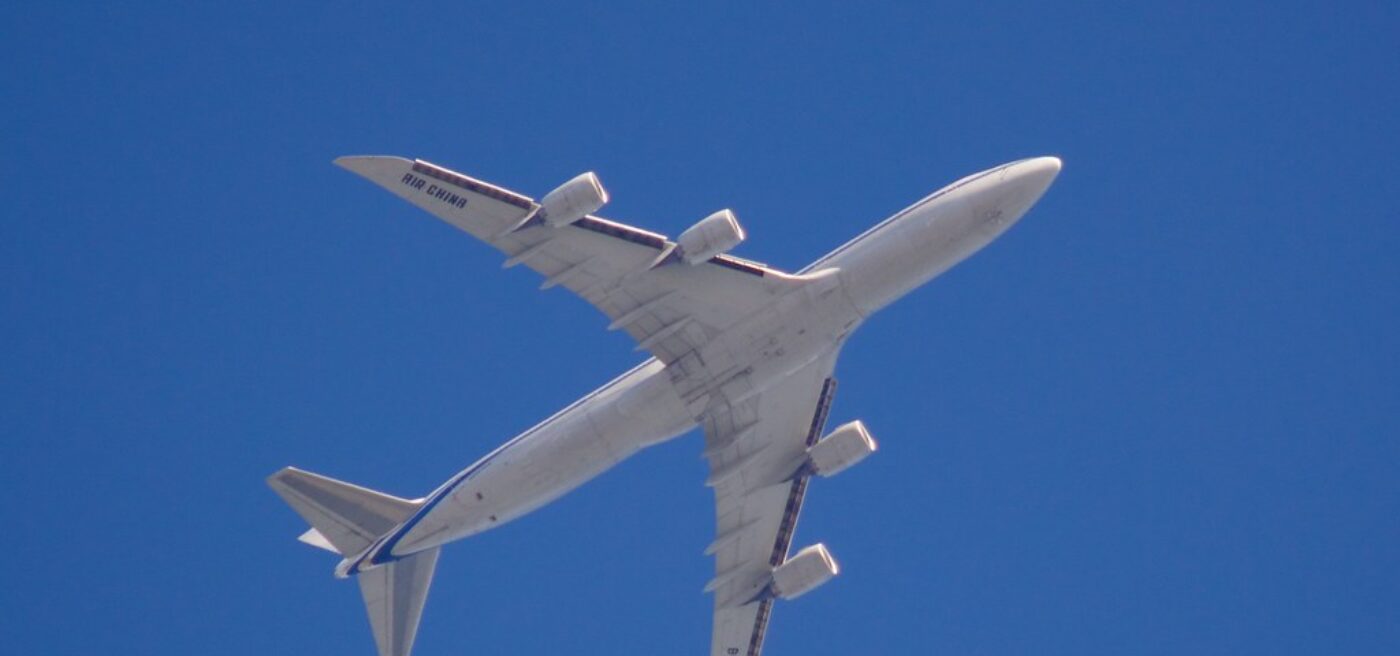
The US Federal Aviation Administration has officially certified Boeing’s 737 Max 10 passenger jet. The approval concludes a nearly ten-year regulatory process following past safety issues and quality reviews. With over 1,500 orders secured, the model is set to compete directly against European rival Airbus.
What happened
The Federal Aviation Administration (FAA) granted safety certification for the Boeing 737 Max 10, the largest jet in the company’s single-aisle lineup. FAA Director Bryan Bedford confirmed that the decision followed a thorough evaluation of aircraft design and safety standards, adding that the agency will continue enforcing strict oversight.
The approval comes after years of scrutiny triggered by two fatal accidents involving the Max family and subsequent manufacturing quality issues. Regulators addressed technical challenges during the review, including an onboard navigation software anomaly that experts determined did not pose a safety risk. The smaller 737 Max 7 previously secured its own clearance in August.
The Max 10 can carry up to 230 passengers and has a flight range of roughly 3,100 nautical miles, or 5,740 kilometers. Boeing has already accumulated more than 1,500 orders for the variant, with major customers including United Airlines, Alaska Airlines, and Ryanair.
Why it’s important
The certification is critical for Boeing’s commercial strategy as it battles the Airbus A321neo. The European model has built a strong market position among airlines seeking fuel-efficient, high-capacity, narrow-body jets. Stephanie Pope, CEO of Boeing Commercial Airplanes, noted that the Max 10 provides improved capacity and seat economics for carriers worldwide.
Financially, getting the Max 10 into service is vital for repairing Boeing’s balance sheet. Delivering these planes will generate vital
The certification process for the Boeing 737 Max 10 took nearly ten years to complete.
What could change
Boeing is still waiting for regulatory clearance from European and Canadian aviation authorities, which could arrive within two months. Meanwhile, US Transportation Secretary Sean Duffy stressed that speeding up aircraft reviews is vital to compete with Europe and China, though officials must balance faster timelines against strict safety rules.
Efforts to accelerate aircraft certifications must still satisfy rigorous safety standards following Boeing’s past manufacturing flaws.
What does this mean for investors?
For aerospace investors and airline shareholders, the FAA decision removes a major hurdle hanging over Boeing stock. Fulfilling the order backlog allows the company to turn customer contracts into actual revenue, which directly influences operating margins and debt repayment.
Airlines relying on the jet can now plan fleet expansions, while the competitive pressure on Airbus may alter pricing dynamics across the commercial aviation sector.
Disclaimer: This post was created with the support of artificial intelligence and reviewed by our editorial team. It is provided for educational purposes only and does not constitute financial advice.