Donald Trump signed an
What happened
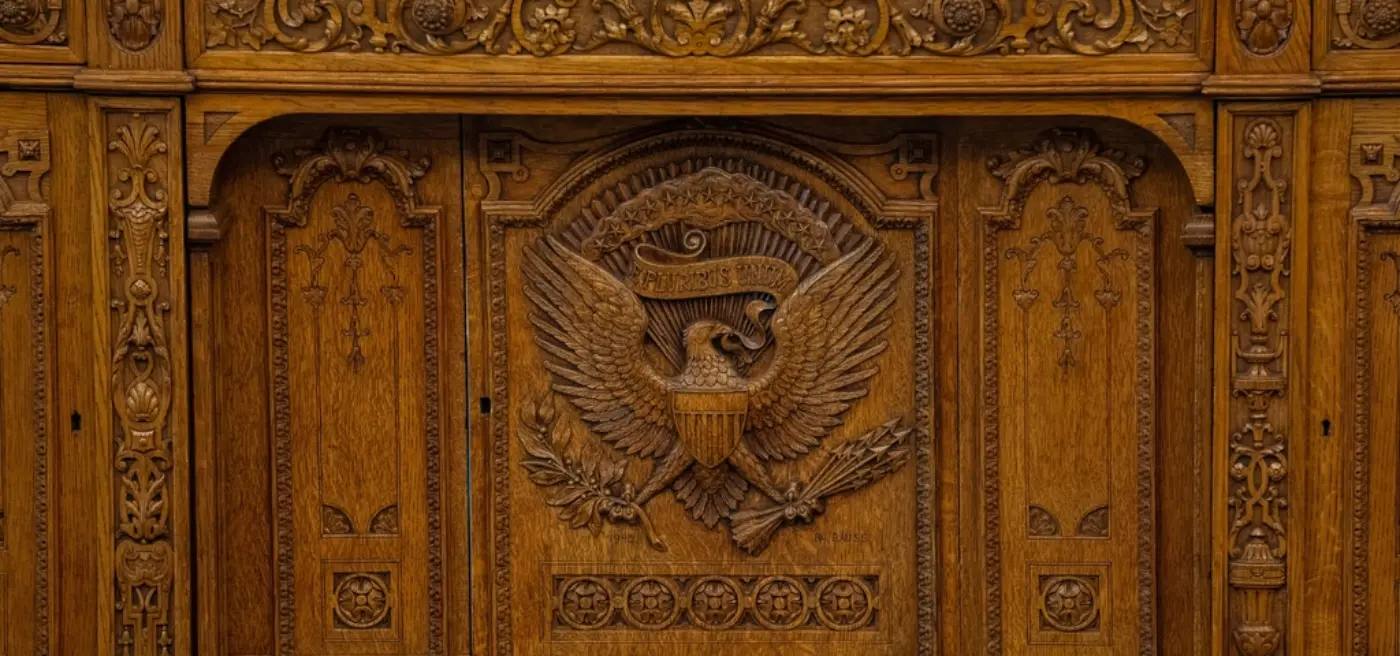
On Thursday, former President Donald Trump signed an executive order that designates the Oval Office and some surrounding rooms as a national monument. The order says the space cannot be “touched by anybody, destroyed, ripped down” except for ordinary operational or security modifications. Trump said the move protects his gold‑filled redesign, which includes a large gold plaque outside the office and other cosmetic changes.
The order follows months after Trump ordered the demolition of the White House East Wing, a project that faced legal challenges and was not approved by Congress. He also announced plans to turn the cleared space into a new ballroom.
While presidents can make minor alterations, larger projects normally need congressional permission. The order adds a specific protective layer on top of the building’s existing status as a
Why it’s important
The Oval Office is a symbol of the U.S. presidency and a high‑profile tourist attraction. Making it a national monument could tighten federal oversight of any future renovations, affecting contractors, suppliers of historic‑preservation materials, and firms that work on government buildings.
Investors watch such moves because changes to historic‑preservation rules can shift funding to the National Park Service and related infrastructure projects. If the order limits private‑sector involvement, companies that specialize in heritage construction may see reduced pipelines, while firms that supply security upgrades could benefit from the allowed “operational and security modifications.”
The Oval Office has existed since the early 1930s after its conception by President Franklin D Roosevelt.
What could change
If a future president or Congress decides the order oversteps legal authority, they could repeal it or pass legislation to clarify preservation powers. Courts might also rule on the order’s validity, creating uncertainty for any ongoing or planned construction projects at the White House.
Alternatively, the National Park Service could adopt stricter maintenance standards, leading to new contracts for historic‑preservation specialists, or it could relax enforcement, allowing more flexibility for future redesigns.
Legal challenges to the order could delay or cancel government construction contracts, affecting firms that rely on historic‑preservation work.
What does this mean for investors?
Retail investors should watch sectors tied to federal construction and historic preservation. Companies that supply specialized restoration materials, security upgrades, or contract with the National Park Service may see new opportunities, while broader construction firms could face reduced demand for large‑scale government projects.
Exchange‑traded funds (ETFs) focused on U.S. infrastructure, such as the iShares U.S. Home Construction ETF (ITB), or broader government‑contractors ETFs, could reflect these dynamics. Fixed‑income investors might consider Treasury‑linked bonds that fund historic‑preservation programs.
Disclaimer: This post was created with the support of artificial intelligence and reviewed by our editorial team. It is provided for educational purposes only and does not constitute financial advice.