Oil prices jumped on Friday as investors weighed a possible flare‑up between the United States and Iran after the U.S. midterm elections, while a diplomatic overture from Iran also entered the conversation.
What happened
On Friday, November 6 2026, Brent crude futures rose 1.67% to $99.90 a barrel and U.S. West Texas IntermediateA benchmark price for U.S. crude oil futures climbed 1.43% to $91.69 a barrel.
Rapidan Energy Group president Bob McNally told CNBC’s “Squawk Box Asia” that he sees an 80% chance of renewed fighting between the United States and Iran, and he expects both benchmarks could break $100 a barrel.
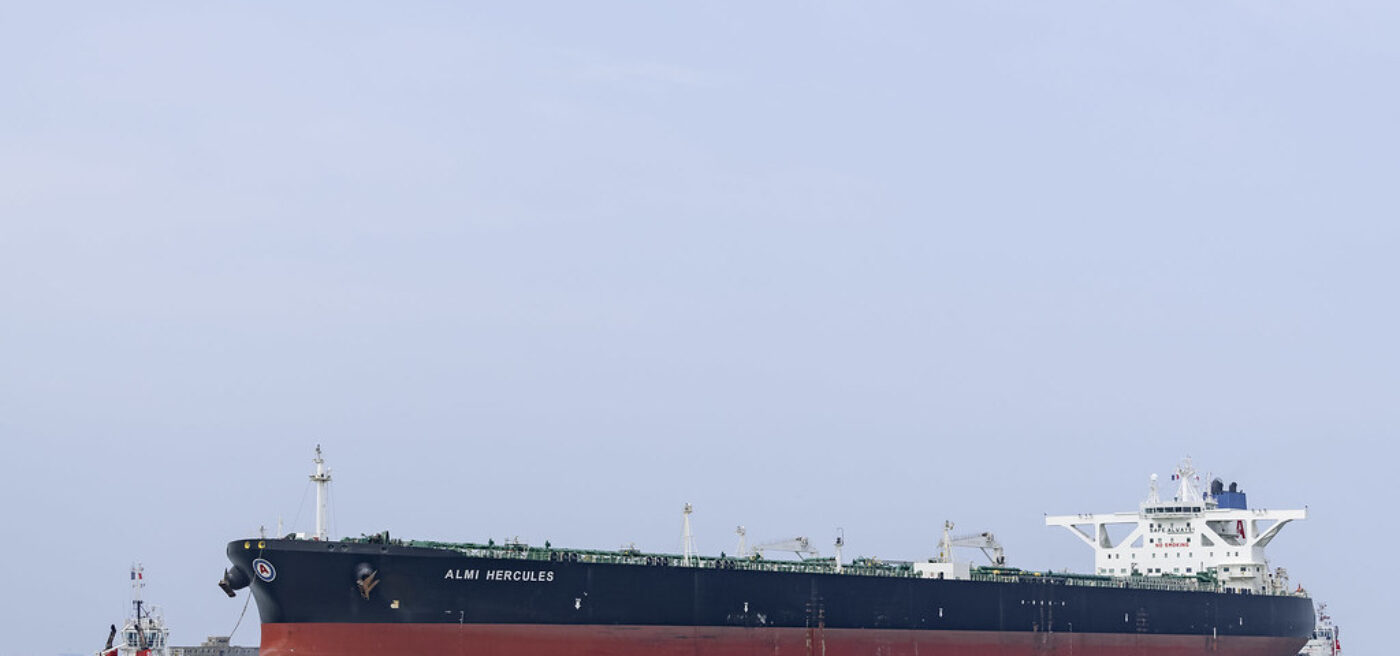
Iran reportedly sent a nuclear proposal to Washington through Qatar, and the country reported three more attacks on oil tankers in the Strait of HormuzA narrow waterway between the Persian Gulf and the Gulf of Oman, a key route for oil shipments on Thursday.
Data from the UK Maritime Trade Operations showed attacks on vessels were continuing at a near‑record rate.
Why it’s important
Oil benchmarks are the reference prices that determine how much investors pay for oil‑related assets, from futures contracts to energy stocks. A rise toward $100 a barrel can lift the earnings outlook for oil producers and increase the cost of gasoline for consumers.
Geopolitical tension in the Middle East can quickly tighten supply because a large share of world oil passes through the Strait of Hormuz. Any disruption there can push prices higher and add volatility to the broader market.
At the same time, a diplomatic breakthrough could ease the risk premium, potentially stabilizing prices and reducing the shock to inflation that higher oil costs can cause.
Bob McNally estimates an 80% probability that military fighting between the United States and Iran will resume.
What could change
If diplomatic talks succeed and Iran’s nuclear proposal leads to a de‑escalation, the risk of attacks on tankers could fall, easing supply concerns and possibly pulling oil prices back down.
Conversely, if the United States or Iran take further military actions, attacks on shipping could increase, tightening supply and pushing prices above $100 a barrel.
Renewed U.S.-Iran conflict could sharply reduce oil supply and push prices above $100 per barrel.
What does this mean for investors?
Higher oil prices tend to benefit energy‑focused exchange‑traded funds (ETFs) and stocks of major oil producers, while also raising the cost of transportation and potentially feeding inflation.
Investors should watch for volatility and consider diversifying with assets that are less sensitive to oil price swings, such as broad‑market ETFs or inflation‑protected bonds.
Disclaimer: This post was created with the support of artificial intelligence and reviewed by our editorial team. It is provided for educational purposes only and does not constitute financial advice.