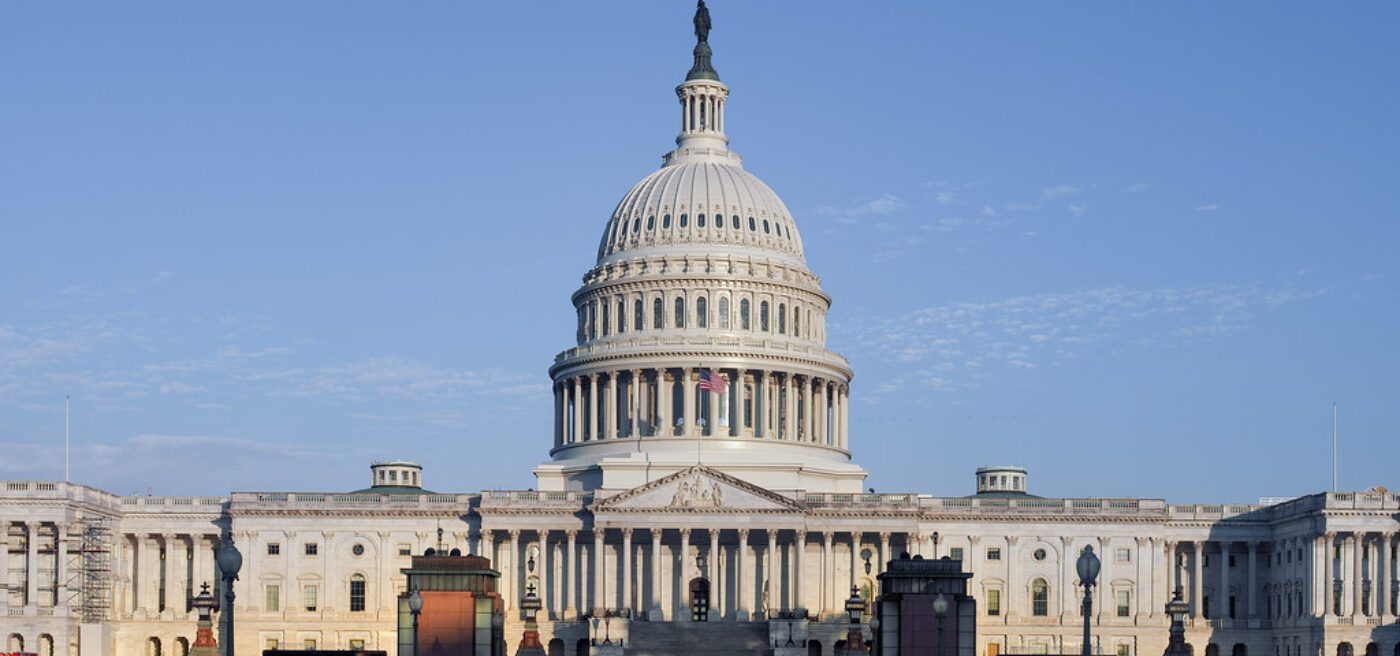
United States President Donald Trump has directed the Department of Justice to investigate Democratic lawmakers following their midterm election victory. The order comes as Democrats prepare to take control of both congressional chambers and launch probes into the administration. Heightened institutional friction between the White House and Congress may create legislative gridlock and market uncertainty.
What happened
On Saturday, November 7, 2026, President Donald Trump announced on Truth Social that he ordered the Department of Justice (DOJ) to investigate Democrats. Trump claimed Democrats committed a “criminal act” and engaged in “extortion” by threatening members of his cabinet with impeachmentA constitutional process by which Congress charges a public official with misconduct. and targeting donors.
The announcement followed the recent midterm electionsCongressional elections held midway through a US president four-year term., in which Democrats won control of both chambers of the US Congress from Republicans. Following the election results, Democratic lawmakers stated they would launch congressional inquiries into the Trump family’s financial dealings, US Immigration and Customs Enforcement (ICE), Secretary of Defense Pete Hegseth, and Attorney General Todd Blanche.
Democratic Representative Robert Garcia of California, who is poised to chair the House Oversight Committee, posted “LAWYER UP” on social media after the election outcome. When Democrats officially take control in January, they will possess the authority to summon Trump administration officials to testify, request documents, and conduct public hearings.
Why it’s important
Financial markets pay close attention to the balance of power in Washington because governing stability influences economic policy and federal spending. A divided government where the executive branch and legislature engage in legal and political conflict often results in legislative gridlock, slowing progress on fiscal measures.
When congressional scrutiny targets specific departments, including the Department of Defense, it can introduce operational delays and regulatory uncertainty. Extended political battles can divert government focus from broader economic initiatives and create headline risk for public markets.
The House Oversight Committee serves as the primary investigative committee in the House and has broad jurisdiction and power.
What could change
If the Justice Department acts on the order to investigate members of Congress, prolonged legal conflicts between the executive and legislative branches could develop. Alternatively, both sides could focus their attention on impending budget deadlines and mandatory federal spending battles once the new Congress convenes in January.
Deepening conflict between the presidency and Congress can stall federal legislative processes and trigger unexpected volatility across financial markets.
What does this mean for investors?
Periods of heightened political friction often cause short-term fluctuations across broad market indexes, including S&P 500 exchange-traded funds. Companies reliant on federal contracts or subject to direct congressional oversight, such as defense sector firms, may see increased price swings as hearings approach.
For long-term retail investors, political battles rarely change underlying corporate fundamentals over extended horizons. Maintaining a well-balanced portfolio spread across diverse sectors and fixed-income assets can help manage periods of headline-driven volatility.
Disclaimer: This post was created with the support of artificial intelligence and reviewed by our editorial team. It is provided for educational purposes only and does not constitute financial advice.