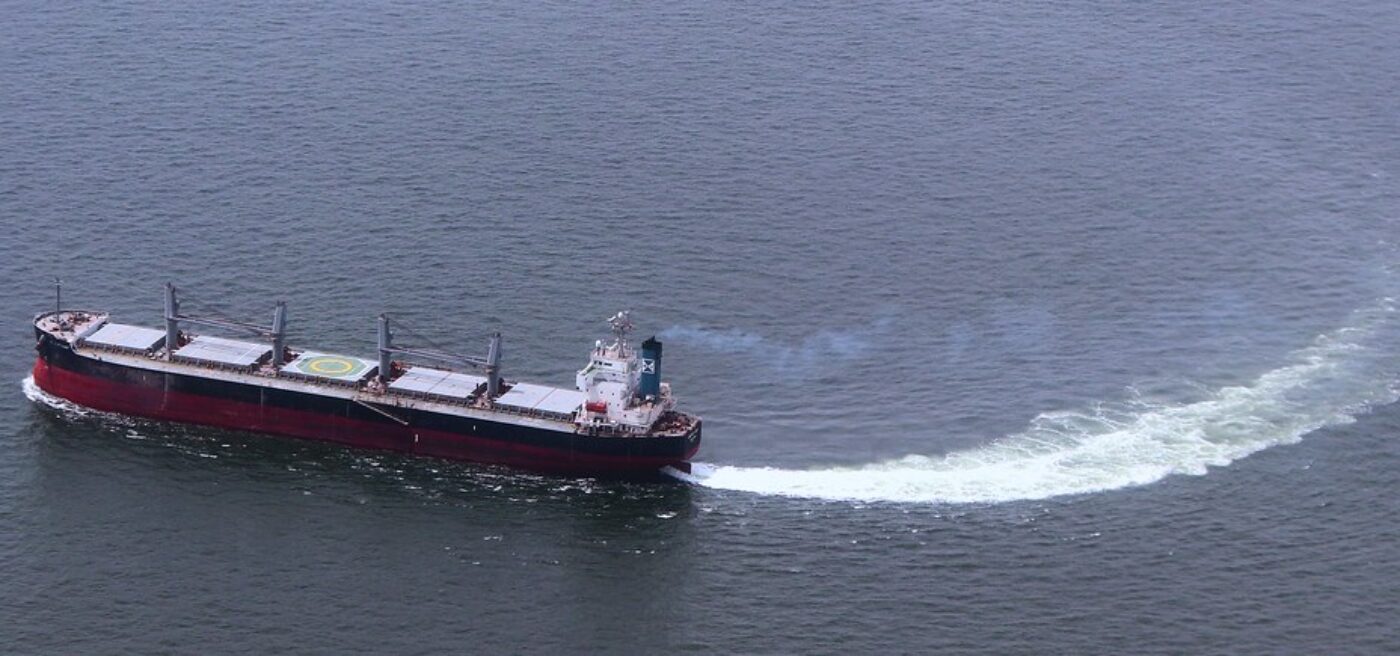
U.S. crude oil prices fell to about $85 a barrel on Monday as shipments through the Strait of Hormuz recovered, while the International Energy Agency now sees supply outpacing demand.
What happened
On Monday Brent crude dropped 3.55% to $92.44 a barrel and West Texas Intermediate slipped 3.21% to about $85.72 a barrel. The decline followed a brief rally the previous day after the market swung between hopes for a de‑escalation in the Iran war and worries about attacks on shipping in the Strait of Hormuz.
The International Energy Agency said on Friday it expects global oil supply to exceed demand by 1.7 million barrels per day in the fourth quarter of 2026, reversing an earlier deficit forecast as Middle East exports recover faster than demand.
Russia’s crude output rose to 8.73 million barrels a day in October, a 210,000‑barrel‑a‑day increase, according to the same agency. Goldman Sachs projected Brent to average $88 a barrel in 2027 and fall to $78 by December 2027 as the market moves toward a surplus.
Why it’s important
Oil prices influence gasoline costs, transportation expenses, and the profitability of energy companies. A drop to $85 a barrel can ease fuel costs for consumers but also compress margins for oil producers.
Analysts watch the balance between supply and demand closely. The IEA’s new surplus outlook suggests that global production growth, especially from the Middle East and Russia, may outpace demand, potentially keeping prices lower for the rest of the year.
The International Energy Agency expects global oil supply to exceed demand by 1.7 million barrels a day in Q4 2026.
What could change
If shipping attacks in the Strait of Hormuz resume, oil transport could be disrupted, tightening supply and pushing prices higher. Conversely, if Middle East exporters continue to increase output and new pipelines come online, the surplus could deepen, further lowering prices.
Another factor is global economic growth. Stronger demand for fuel and petrochemicals could absorb the excess supply, stabilizing prices, while a slowdown would reinforce the surplus trend.
A renewed escalation of attacks on shipping in the Strait of Hormuz could sharply reduce oil supplies and spike prices.
What does this mean for investors?
Lower oil prices may pressure traditional oil‑and‑gas producers, but they can benefit companies focused on refining, chemicals, or low‑cost producers that can stay profitable at lower price points. Energy‑focused ETFs such as XLE or OIH will reflect the broader market move.
Investors might also consider exposure to infrastructure firms that own pipelines or storage, as they can earn fees regardless of price swings. Fixed‑income investors should watch oil‑linked bonds for yield changes.
Disclaimer: This post was created with the support of artificial intelligence and reviewed by our editorial team. It is provided for educational purposes only and does not constitute financial advice.