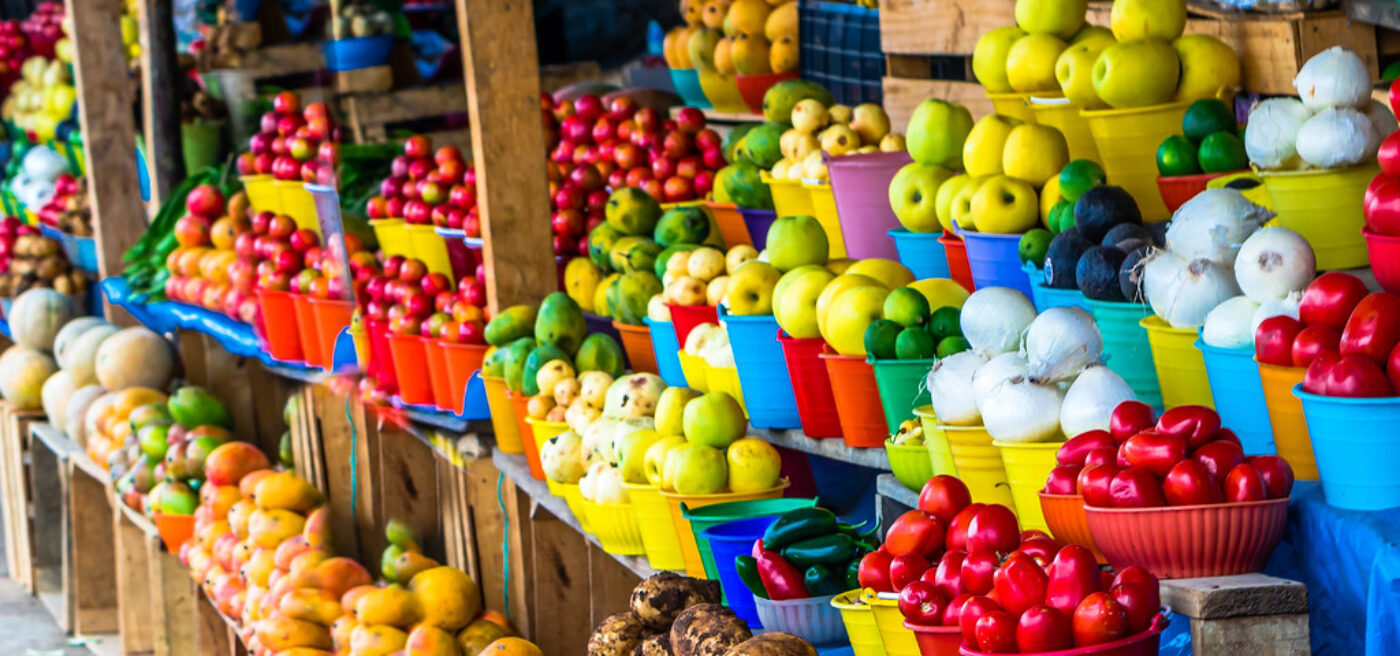
India’s food prices are climbing faster than overall inflation, with food inflation hitting 8.94% in October and rural areas feeling the squeeze.
What happened
Government data shows retail inflationthe rise in prices that consumers pay for goods and services rose to 6.09% in October, up from 5.54% in September. Food inflation surged to 8.94%, with rural India at 9.09% and urban areas at 8.68%.
The latest consumer price index shows food and beverages now make up 36.75% of the basket, down from 45.86% under the previous series, reflecting a shift toward services and non‑food items.
A LocalCircles poll found six in ten consumers say essentials cost more than 20% extra versus a year ago; 74% are cutting discretionary spending and half are buying smaller quantities of staples.
Crisil’s Roti Rice Rate analysis reported a 12% year‑on‑year rise in the cost of a vegetarian thali and a 9% rise for a non‑vegetarian thali, driven by higher onion, tomato, vegetable, edible oil, rice and LPG prices.
Why it’s important
Food makes up a large share of household budgets, especially for lower‑income families, so faster‑rising food prices push overall inflation higher and squeeze disposable income.
Economists warn that persistent food inflation can trigger a wage‑price spiral, where workers demand higher pay and businesses raise prices, putting pressure on the Reserve Bank of India’s monetary policy.
Politically, sharp spikes in staple prices such as onions and tomatoes can spark public unrest, prompting the government to intervene with export limits, stock releases or price controls.
Food inflation in October was 8.94%, well above the overall inflation rate of 6.09%.
What could change
If the southwest monsoon improves and storage infrastructure is upgraded, supply bottlenecks for perishables could ease, reducing price volatility.
Conversely, continued energy price shocks or weaker monsoon rains could keep input costs high and sustain elevated food prices.
If food inflation remains high, it could trigger broader wage‑price spirals and force the Reserve Bank of India to tighten policy.
What does this mean for investors?
Higher food prices boost revenue prospects for Indian agribusiness and food‑processing companies, as well as for firms that own storage and logistics assets.
At the same time, persistent inflation risk may lead the RBI to raise rates, which could pressure Indian government bonds and equity markets sensitive to higher financing costs.
Disclaimer: This post was created with the support of artificial intelligence and reviewed by our editorial team. It is provided for educational purposes only and does not constitute financial advice.